Roof Harnesses - Rooftop Safety Anchor Points
$18.50 | 500 piece(Min.Order)
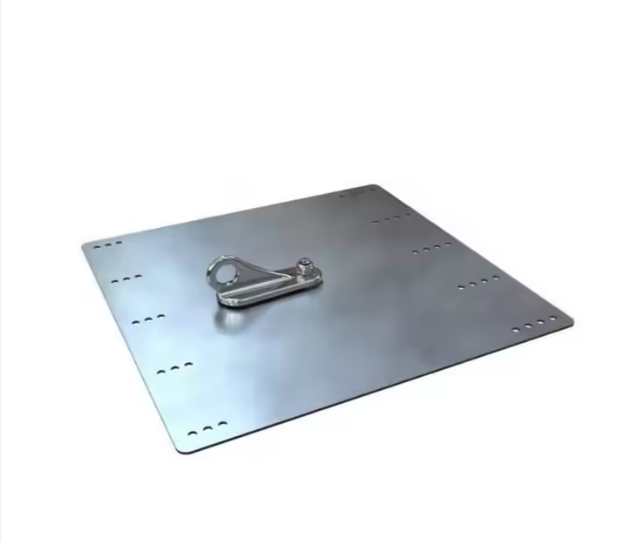
The purpose of a fall arrest anchor point is to allow appropriately trained personnel to attach safety harnesses, lanyards and other safety equipment and provide fall protection in the situation of an incident occurring.
- Send Inquiry

- Add To Cart
- Product Introduction
Products Description
Roof Harnesses - Rooftop Safety Anchor Points
Rooftop safety anchor points and roof harnesses are critical components of a fall protection system, designed to safeguard workers at heights. Anchor points, permanently or temporarily affixed to the roof structure, serve as secure attachment points for personal fall arrest systems. These can include D-rings, eye bolts, or specialized posts. Roof harnesses, worn by the worker, distribute fall forces across the body, minimizing injury. They typically feature a dorsal D-ring for attaching to a lifeline, which in turn connects to the anchor point. Together, these elements provide a vital layer of protection, preventing falls and ensuring worker safety during rooftop operations.

Key features
Strength and Standards
A critical feature is their load capacity 💪. According to OSHA standards, anchor points used for fall arrest must be capable of supporting at least 5,000 pounds (22.2 kN) per employee attached, or be designed and supervised by a qualified person as part of a system with a safety factor of at least two. This ensures they can withstand the forces generated during a fall.
Applications
Functionality and Usage
Anchor points serve as the secure attachment for personal fall arrest systems (e.g., harnesses and lifelines). They can be used for fall arrest (stopping a fall), fall restraint (preventing a worker from reaching a fall hazard), or work positioning (supporting a worker while performing a task). Some anchors offer 360-degree rotation 🔄 for greater worker mobility.


Inspection
Inspection and Certification
Regular inspection and certification are paramount. Anchor points must be visually inspected annually by a qualified professional for damage, wear, or corrosion. Load testing, typically required every 10 years (or 5 years for adhesive/expansion anchors), verifies the anchor's strength under a specified load, ensuring continued compliance and safety.
Earth anchor family

Company Introduction
top service industries
We are specialist in anchoring
qualified
We always use qualified materials and do testing when raw material coming.During the production, each process has seriour QA proceduve to guarantee quality.ISO certificate.


Investment casting
Earth anchors are made of investment casting, material is steel with galvanized. Strength from 3.5KN to 200KN for your choice.
cNC machining
CNC machining, laser cutting, punching


Package
Bulk packing in crate
FAQ
Q1: Is it all right to make customer's own brand name?
A:If the customer supply their own design or samples, and invest the toolings, it is ok to make customer's own brand name on product.
Q2:What is an erosion control anchor?
A:An erosion control anchor is a device, typically made of metal or plastic, designed to secure erosion control blankets, mats, or other materials to the ground, preventing them from shifting or being washed away by water flow on slopes.
Q3:What is the main purpose of an erosion control anchor?
A:The erosion control earth anchor mainly used to hold erosion control materials in place, especially on steep slopes, to minimize soil loss caused by rain or runoff water.
Q4:What are the different types of erosion control anchors?
A:At present, our percussion type earth anchors mainly used for the erosion control. Its pre-assembly unique will save a lot of time and labor.
Q5:How do I choose the right erosion control anchor for my project?
A: Before you start install your project, it is better to consider factors like soil type, slope angle, anticipated water flow, and the type of erosion control material being used.
Q6:What is the proper way to install erosion control anchors?
A: Typically, anchors are placed at regular intervals along the length of the erosion control material, driven into the ground at a proper angle to ensure stability.
Q7:How deep should I install the anchors?
A: The depth of installation depends on the soil conditions and the anchor design, but generally should be deep enough to provide adequate holding power. And also have relation with the anchor size you choosed.
Q8:Do I need to maintain erosion control anchors?
A:Yes, regular inspections are necessary to check for any damage or displacement, particularly after heavy rainfall or extreme weather events.Maintenance: Erosion Control Earth Anchor require little maintenance once installed, but periodic inspections are recommended to ensure they remain secure and undamaged. If an anchor becomes loose or damaged, it may need to be replaced or repaired.
Q9:What are potential issues with erosion control anchors?
A: Improper installation, incorrect anchor selection for soil type, insufficient anchor density, and damage from heavy weather can affect their effectiveness.
Q10:Can I use erosion control anchors on steep slopes?
A: Yes, but it's crucial to choose anchors with high holding capacity and install them at closer intervals on steeper slopes.
Q11:Are erosion control anchors suitable for sandy soil?
A: Depending on the anchor design, they can be used in sandy soil, but may require additional considerations for optimal performance.
Q12:Does your product have warranty service?How long is the warranty period?
A: Yes. We have warranty service. It depends on the earth anchor type and surfacement choice.
Q13:What is the maximum slope for erosion control blanket?
A:These site conditions will consist of the slope, water flow, and erosion control requirements. The maximum slope that the single net straw erosion control blanket can handle is a 3:1 slope with a low water flow that needs a gentle, minimum about of stabilization.
Q14:How long do you leave an erosion control blanket on?
A: Erosion control blankets typically last between three months to three years.ECBs compliment, and increase the effectiveness of hydroseeding. Erosion control blankets are made of straw, wood excelsior, coconut fiber, and polypropylene.
Q5:How long is the delivery period of the product?
A: Some earth anchor have stock, delivery at sight. The production for mass order usually about 30days.
Contact
Our address
Dayuan C3,Nanzhonghuan ST, Taiyuan, Shanxi China
PC:030006
Phone Number
+86-13935114760
lindaguo@earth-anchoring.com

Hot Tags: roof harnesses - rooftop safety anchor points, China, suppliers, manufacturers, factory, customized, quotation, low price, in stock, free sample, made in China